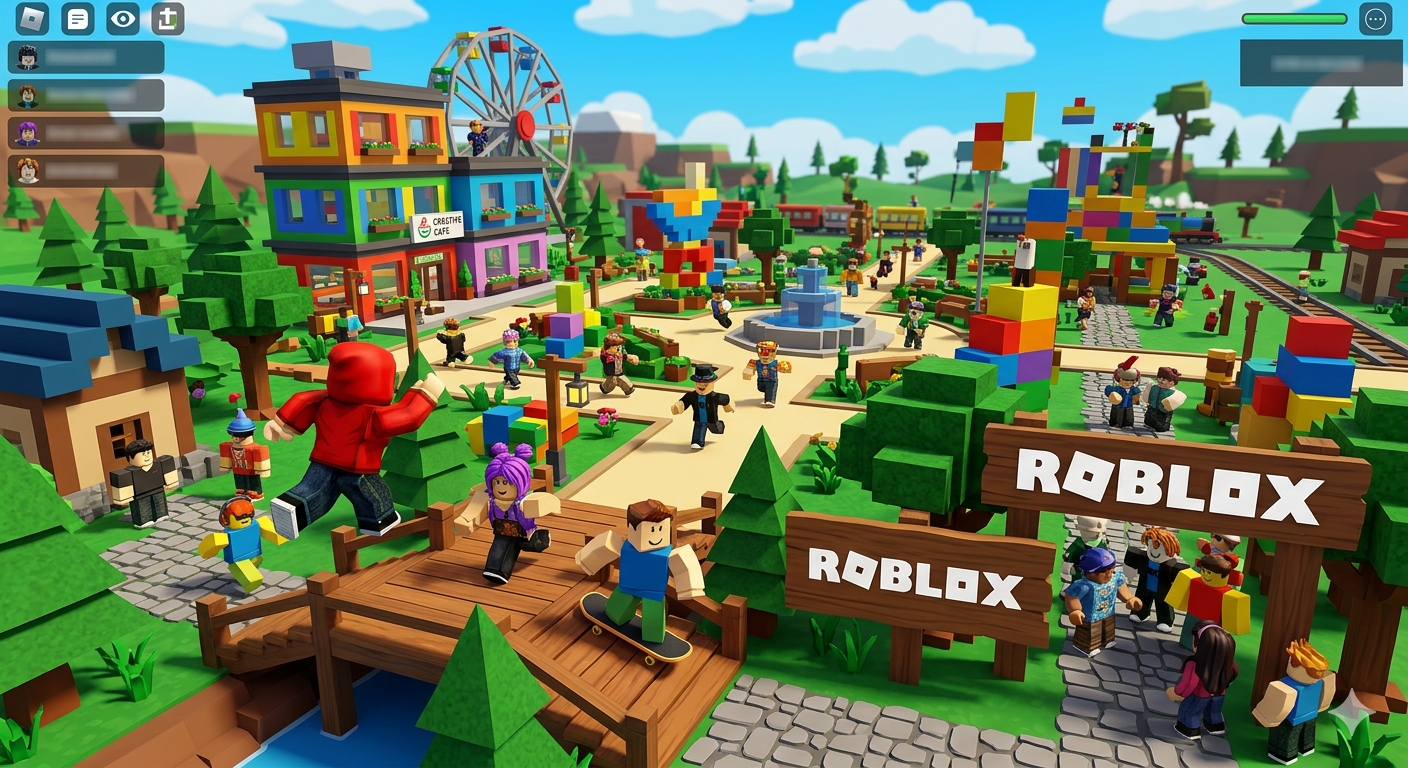
When you spend Robux on Roblox, the moment usually feels exciting. You click buy, the item unlocks instantly, and for a short time, everything feels better. Your avatar looks cooler, your gameplay feels smoother, or your progress jumps ahead. But after a while, that feeling fades. What once felt like a great decision starts to feel… unnecessary. And you’re left wondering why it felt so right at first.
The Rush of the Moment
Every purchase starts with a feeling.
Maybe you saw something that looked amazing. Maybe everyone else had it. Maybe it promised to make your experience easier or more fun. Whatever the reason, the decision often happens quickly.
That moment is driven by excitement.
You’re not thinking too deeply about long-term value. You’re focused on how good it will feel right now. And when the purchase goes through, that feeling gets confirmed instantly.
- You see the item appear
- You notice the immediate change
- You feel like you’ve improved your experience
This quick reward creates a strong emotional response. It makes the decision feel right—even if you haven’t fully thought it through.
Why Instant Rewards Feel So Powerful
One of the biggest reasons behind this effect is instant gratification.
Roblox is designed to give you immediate feedback. The moment you buy something, you see the result. There’s no waiting, no delay, no uncertainty.
That instant reward does something important, it reinforces your decision.
Your brain connects the action (spending Robux) with the outcome (feeling good). And because the reward is immediate, the connection becomes stronger.
But here’s the catch: instant rewards don’t always last.
What feels exciting in the moment can lose its impact quickly once it becomes normal.
When the Excitement Starts to Fade
After some time, the newness wears off.
The item you bought becomes part of your regular experience. You stop noticing it as much. It doesn’t feel as special as it did in the beginning.
This is where the shift happens.
- The excitement fades
- The impact feels smaller
- The value becomes less clear
And slowly, a different thought replaces the original excitement:
“Did I really need this?”
This doesn’t happen with every purchase, but it happens often enough to create a pattern.
The Role of Hype
Hype plays a huge role in why purchases feel better at first.
Sometimes, an item feels valuable because it’s popular, trending, or widely talked about. You see other players using it. You hear about it. It feels important.
But hype is temporary.
Once the attention moves on, the item loses part of what made it feel special. Without that external excitement, its value can feel lower.
You’re left with the item, but not the feeling that came with it.
And that’s when regret starts to appear.
Impulse vs Intention
Many Robux purchases are made on impulse.
You see something, you like it, and you buy it without thinking too much. There’s nothing wrong with that—but impulse decisions often focus on short-term satisfaction.
They answer the question:
“Do I want this right now?”
What they don’t always consider is:
- Will I still enjoy this later?
- Does this actually improve my experience?
- Is this worth it beyond the moment?
When those questions aren’t part of the decision, the chances of regret increase.
Because once the moment passes, you start evaluating the purchase differently.
Why Small Purchases Add Up
Interestingly, regret doesn’t always come from big purchases.
In fact, small purchases can create the same effect, sometimes even more.
Because they feel harmless, you make them more often.
- A cheap item here
- A quick upgrade there
- Another small boost later
Each one feels fine on its own. But over time, you start to notice the pattern.
You’ve spent more than you expected, and not everything feels worth it anymore.
This is when awareness starts to grow.
The Difference Between Value and Feeling
One of the key reasons behind the regret effect is the difference between actual value and perceived value.
In the moment, a purchase feels valuable because of how it makes you feel. It’s exciting, satisfying, and rewarding. But later, when that feeling fades, you’re left with the actual value of the item.
And sometimes, that value doesn’t match the original feeling.
- The item doesn’t change gameplay much
- The benefit is short-lived
- The excitement doesn’t last
This mismatch creates the sense of regret. Not because the purchase was bad, but because it didn’t meet the expectation created in the moment.
Learning to Notice the Pattern
The most important step in dealing with this effect is awareness.
Once you notice the pattern, you start to see it before it happens. You recognize moments when:
- You feel a strong urge to buy something quickly
- You’re influenced by hype or other players
- You’re focused on immediate satisfaction
And instead of reacting instantly, you pause.
Even a small pause can change your decision. You might still choose to buy, but now it’s a more intentional choice.
Slowing Down the Decision
One simple way to reduce regret is to slow down.
Instead of buying immediately, give yourself a moment to think.
Ask yourself:
- Do I actually like this, or does it just feel exciting right now?
- Will this still matter to me later?
- Am I buying this for the experience, or just for the feeling?
These questions don’t take long, but they create distance between impulse and action.
And that distance can lead to better decisions.
Enjoying Purchases Without Regret
Not every purchase needs to be perfect.
It’s okay to spend Robux for fun, for creativity, or just because something makes you happy in the moment.
The goal isn’t to avoid spending, it’s to understand it.
When you know why something feels exciting, you can enjoy it more consciously. You can appreciate the moment without expecting it to last forever.
That shift in perspective makes a big difference.
Final Thoughts: The Feeling That Doesn’t Last
The regret effect in Roblox isn’t about making bad choices, it’s about understanding how feelings influence decisions. Purchases feel exciting at first because they deliver instant rewards, but that feeling doesn’t always last. Once you recognize this pattern, you gain more control over how you spend. And instead of chasing quick excitement, you start making choices that feel just as good later as they do in the moment.