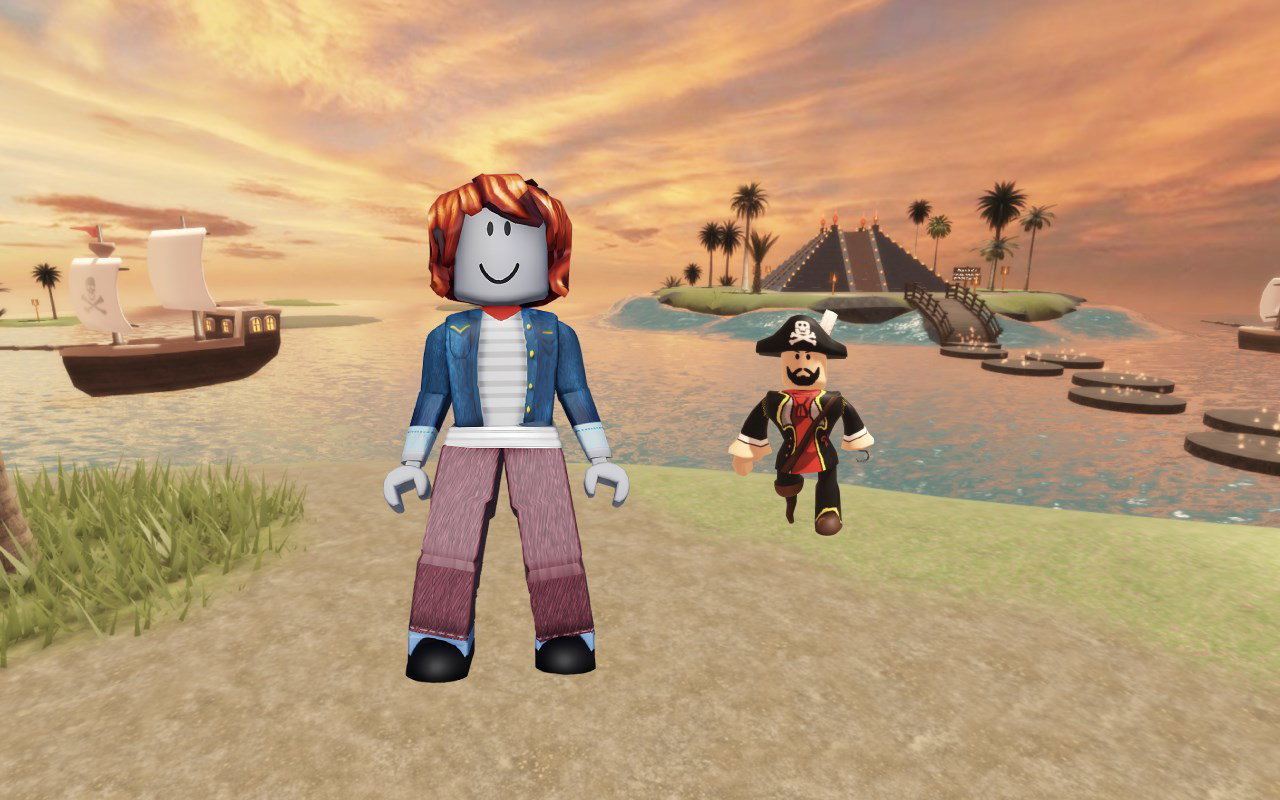
You open Roblox thinking you’ll try something new today.
But somehow, you end up clicking on the same game again.
It’s familiar. It’s comfortable. You already know what to do. And before you realize it, you’ve spent another hour in a place you’ve visited dozens of times before.
Why does this happen?
It’s not random. It’s not just habit. There’s actually a lot of subtle psychology behind why certain Roblox games keep pulling you back again and again.
Let’s take a closer look at what’s really going on.
Familiarity Feels Effortless
One of the biggest reasons you return to the same games is simple: they’re easy to get into.
When you already know:
-
The controls
-
The objectives
-
The mechanics
You don’t have to think too much.
There’s no learning curve. No confusion. No awkward “figuring things out” phase.
Your brain prefers this.
New games require effort. Old games feel automatic.
So even if you want to try something new, your mind gently nudges you toward what feels easier.
And most of the time, you follow that nudge without even noticing.
Progress Keeps You Attached
Another powerful reason is progress.
When you’ve already invested time into a game, you’ve likely:
-
Unlocked items
-
Reached certain levels
-
Built a sense of achievement
Leaving that behind—even temporarily—can feel uncomfortable.
It’s not just about starting over. It’s about stepping away from something you’ve already built.
So instead of switching games, you continue where you left off.
This creates a loop:
-
You play → you progress → you feel invested → you return
And the more you progress, the stronger that loop becomes.
Small Rewards Keep You Hooked
Many Roblox games are designed around small, frequent rewards.
You complete a task, and you get something.
You reach a milestone, and something unlocks.
You log in, and you’re greeted with a bonus.
These rewards don’t feel huge—but they add up.
They create a steady stream of “small wins” that keep your brain engaged.
And because these rewards happen often, your brain starts expecting them.
So when you stop playing, it feels like you’re missing out on those little moments of satisfaction.
That’s what pulls you back in.
You Know What to Expect
Uncertainty can be exciting—but it can also be tiring.
New games come with unknowns:
-
Will it be fun?
-
Will it be confusing?
-
Will it be worth your time?
But the games you already play?
You know exactly what you’re getting.
That predictability is comforting.
It removes risk. It removes doubt. It makes the experience feel safe.
And when you just want to relax, your brain naturally chooses the option with the least uncertainty.
Social Connections Play a Role
Sometimes, it’s not just the game—it’s the people.
If you’ve played a game for a while, you might have:
-
Friends who play it regularly
-
Familiar players you recognize
-
A sense of belonging in that space
Switching games can mean leaving that behind.
Even if you don’t actively talk to others, just seeing familiar usernames can create a sense of connection.
And that connection is powerful.
It makes the game feel more than just a game—it feels like a place.
Habit Is Stronger Than You Think
At some point, returning to the same game stops being a decision—and becomes a habit.
You don’t think, “I want to play this game.”
You just… click it.
This happens because your brain builds shortcuts over time.
If you’ve opened the same game repeatedly, your mind starts associating:
-
Roblox → That specific game
So instead of exploring options, you go straight to what’s familiar.
Breaking this habit isn’t hard—but noticing it is the first step.
The Game Feels Like “Your Space”
After spending enough time in a game, it starts to feel personal.
You know where things are.
You understand how everything works.
You feel comfortable navigating the environment.
It becomes your space.
New games don’t feel that way yet. They feel unfamiliar, maybe even a little overwhelming.
So instead of stepping into something new, you return to where you feel at home.
And that emotional comfort is hard to replace.
Starting Something New Feels Like Work
Let’s be honest—trying a new game isn’t always exciting.
Sometimes it feels like effort.
You have to:
-
Learn new mechanics
-
Understand new systems
-
Adjust to a different style
Even if the game is good, that initial phase can feel like work.
So your brain does something simple—it avoids it.
Instead, it chooses the path that requires the least effort: the game you already know.
You’re Chasing a Familiar Feeling
Sometimes, it’s not even about the game itself.
It’s about how the game made you feel at a certain point.
Maybe:
-
You had a great moment there
-
You achieved something exciting
-
You enjoyed playing with friends
When you return, you’re not just playing—you’re trying to recreate that feeling.
Even if the experience isn’t exactly the same anymore, the memory keeps pulling you back.
The Balance Between Comfort and Variety
There’s nothing wrong with playing the same game repeatedly.
In fact, it can be enjoyable, relaxing, and rewarding.
But sometimes, it can also make your experience feel limited.
When you stick to one game:
-
You miss out on new experiences
-
You don’t discover different styles
-
Things can start to feel repetitive over time
The key is balance.
You don’t have to stop playing your favorite game.
But occasionally stepping outside that comfort zone can refresh your experience.
Final Thoughts
If you’ve ever wondered why you keep returning to the same Roblox games, now you know—it’s not just a random habit.
It’s a mix of:
-
Familiarity
-
Progress
-
Rewards
-
Comfort
-
Habit
All working together quietly in the background.
These factors make certain games feel easy, safe, and satisfying.
And that’s why you keep going back.
So the next time you open Roblox and find yourself clicking the same game again, take a moment.
Not to stop yourself—but to understand why.
Because once you notice these patterns, you can choose your experience more intentionally.
And that’s when playing starts to feel even more enjoyable.